The short answer
Identify a substantial enclosed building or an enclosed hard-topped vehicle that everyone can reach before a thunderstorm arrives, and verify the route and access in advance.
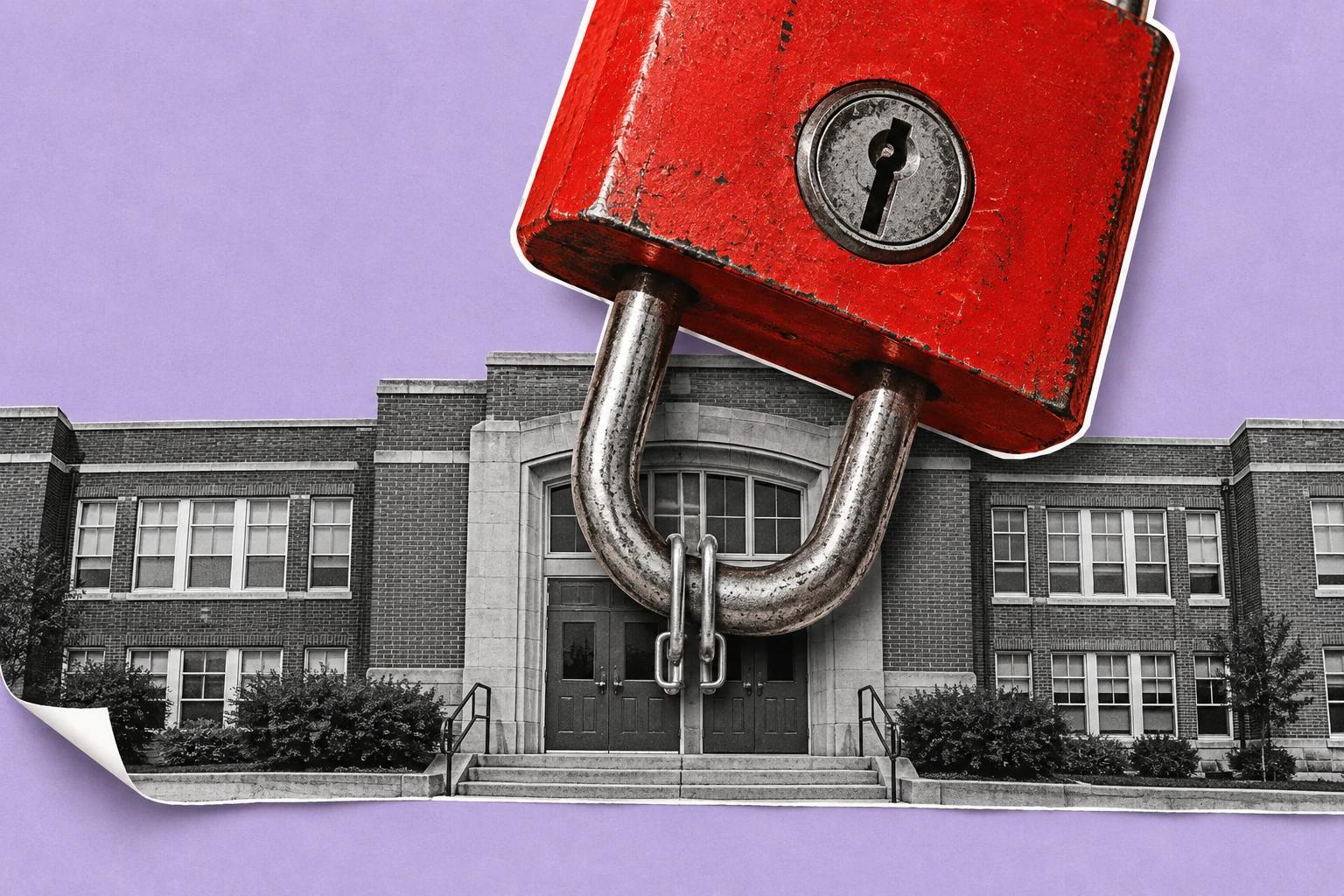
Start here
- Choose a substantial enclosed building, or an enclosed hard-topped metal vehicle if no suitable building is available.
- Check the entrance, opening hours, capacity, and a route everyone can use.
- Allow enough time for the whole group to get inside before the storm arrives.
What counts as a safer place
The first choice is a substantial, fully enclosed building with electrical wiring or plumbing. Examples include a home, school, office, store, or community building.
If no such building is available, use an enclosed, hard-topped metal vehicle with the windows closed.
The metal body of the vehicle helps conduct lightning around the occupants. Rubber tires are not what provide the protection.
No place outside is safe during a thunderstorm.
These are not lightning shelters
Do not choose:
- a picnic pavilion, rain shelter, gazebo, dugout, or open-sided structure;
- a tent;
- a porch, carport, open garage, or doorway;
- a small shed or other building without plumbing or electrical wiring;
- a convertible with the top up, golf cart, motorcycle, bicycle, or other open vehicle;
- a place under a tree; or
- an open field, beach, boat, ridge, or other exposed area.
These locations may provide rain cover without providing lightning protection.
Choose one place for every regular outdoor setting
At home, work, school, a sports field, park, campsite, or other regular setting:
- Name the exact building or vehicle.
- Identify the entrance and the route to it.
- Check whether it will be unlocked and available when needed.
- Confirm that it can hold everyone in the group, including children, pets, and anyone who needs mobility assistance.
- Time how long the slowest person or largest group needs to reach it.
- Decide who will monitor the forecast and current conditions.
- Set a departure point early enough for everyone to be inside before the storm reaches the location.
Hearing thunder means lightning is close enough to be a threat. The shelter plan should already be in use by then, not starting then.
If the group cannot reach a suitable place before the threat arrives, cancel, postpone, or change the location of the outdoor activity.
If the chosen place is a building
Once inside:
- remain away from windows and doors;
- stay off porches and out of open garages;
- do not use corded telephones;
- avoid plumbing, including sinks and showers;
- do not touch equipment connected to an electrical outlet; and
- avoid direct contact with concrete floors and walls.
A mobile or cordless phone is safer to use than a corded telephone during the storm.
Bring pets inside the protected building. A doghouse or other small outdoor shelter is not safe from lightning.
If the chosen place is a vehicle
Use a fully enclosed, hard-topped metal vehicle. Close the windows and remain inside. Avoid touching metal connected to the vehicle's exterior.
Do not choose a convertible, golf cart, motorcycle, or open utility vehicle as the shelter.
Record the plan
For each setting, save:
- the shelter name and exact location;
- whether it is a building or enclosed hard-topped vehicle;
- the route and estimated time to reach it;
- access limits, such as keys, hours, gates, or capacity;
- who needs assistance;
- who monitors weather; and
- the point at which the activity will stop and the group will leave for shelter.
The plan is not complete merely because a nearby structure has been named. Access and travel time must be checked.
Do not
- Do not use rain cover as evidence of lightning protection.
- Do not wait for rain to begin.
- Do not make the first thunder the point at which a large group starts debating where to go.
- Do not shelter under a tree or remain in an open area.
- Do not assume a vehicle is protective unless it is enclosed and hard-topped.
- Do not rely on a shelter that is locked, too small, or cannot be reached in time.
Next action
Choose one regularly used outdoor place. Walk the route to its lightning shelter, verify access, time the trip for the slowest person who may use it, and save the result.
What changes this answer
General guidance becomes a personal decision through these details.
Home, school, park, beach, or worksite may have different available buildings and vehicles.
Keys, opening hours, locked gates, capacity, and permission determine whether a nearby shelter is usable.
Children, animals, mobility needs, and communication support change how long the move takes.
The forecast, developing storm, venue plan, and official instructions can require canceling or moving an activity.
Where this guidance stops
- Rain cover is not lightning protection. An open-sided structure, tent, or small shed is not an alternative to proper shelter.
- This guide does not certify a building or vehicle, or replace a venue's lightning plan.
- A tornado, flood, or other concurrent hazard can require a different shelter instruction.
Sources
Consequential guidance is checked against the linked source material.
- National Weather Service. Lightning Safety Overview. Checked August 28, 2026.
- National Weather Service. Lightning Indoors. Checked August 28, 2026.
- National Weather Service. Lightning Safety and Sports Activities. Checked August 28, 2026.
- National Weather Service. Lightning and Cars. Checked August 28, 2026.
- National Weather Service. Lightning Safety Toolkits. Checked August 28, 2026.
- National Weather Service. Lightning Safety Toolkit for Outdoor Venues. Checked August 28, 2026.
General information, not advice tailored to you or a guarantee of safety. You are responsible for decisions about your safety. Follow current directions from local authorities. Read the safety disclaimer.