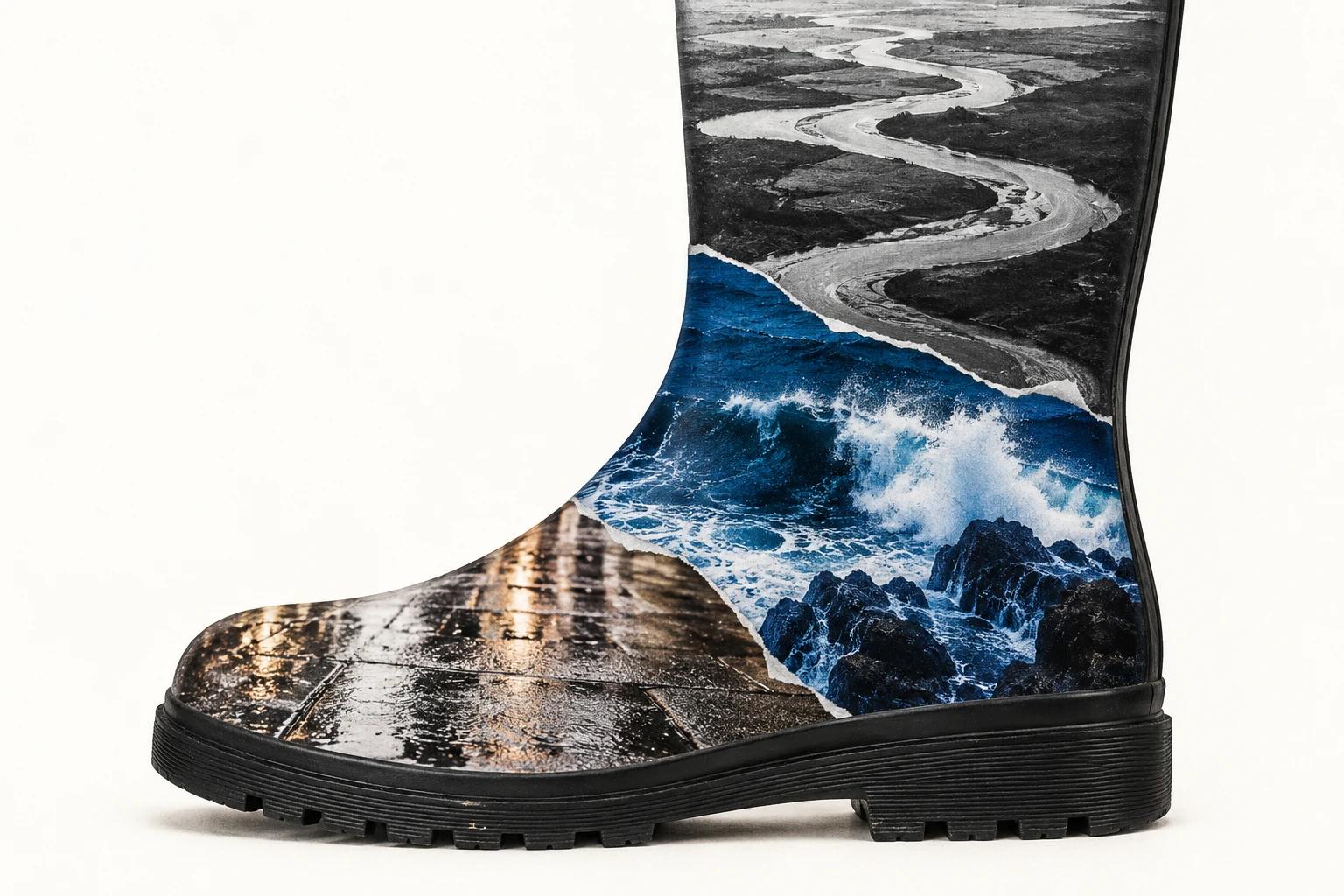
Understand the different kinds of flooding
How river, flash, urban, and coastal flooding differ, why they overlap, and which evidence can explain the risk around your home.
Water and flooding · 6 minute readRead the guidePractical, source-backed answers for your health, home, money, and the people who depend on you.
Search a practical question or browse by the problem in front of you.
58 guides
How river, flash, urban, and coastal flooding differ, why they overlap, and which evidence can explain the risk around your home.
Water and flooding · 6 minute readRead the guide
Prioritize people, medicine, important records, and selected belongings before flooding. Know when to stop property protection and leave.
Water and flooding · 6 minute readRead the guide
Know which flood-exposed food packages to discard, why a closed lid is not enough, and how to follow the correct drinking-water notice.
Water and flooding · 6 minute readRead the guide
Separate permission to return to an area from permission to enter a building, and recognize hazards that need a utility or qualified professional first.
Water and flooding · 6 minute readRead the guide
Stop using a flooded well, avoid electrical hazards, and arrange inspection, disinfection, and correctly timed laboratory testing before returning to normal use.
Water and flooding · 6 minute readRead the guide
Make an up-to-date medication list, keep accessible copies, and protect the information someone may need during an emergency.
Health and support · 4 minute readRead the guide
Prepare for a pharmacy closure, lost medicine, or interrupted delivery. Confirm refill and replacement options for each prescription before access changes.
Health and support · 6 minute readRead the guide
Plan packing, travel time, and destination storage around your medicine's own temperature requirements, with a route to replacement if conditions change.
Health and support · 5 minute readRead the guide
Plan for the power, supplies, assistance, transport, and destination that mobility and medical equipment depend on, with the person who uses it.
Health and support · 7 minute readRead the guide
Build an evacuation plan around accessible alerts, confirmed helpers, equipment, suitable transport, and the time each person needs to leave.
Health and support · 7 minute readRead the guide
Choose a first place to go and a useful alternative. Check permission, access, household needs, transport, and current official instructions.
Evacuation and pets · 4 minute readRead the guide
Make an always-take list, assign departure tasks, and keep medicine, equipment, documents and animal supplies ready without delaying an evacuation.
Evacuation and pets · 4 minute readRead the guide
Check whether people and animals can stay together, what a destination requires, and how pet admission differs from service-animal access.
Evacuation and pets · 6 minute readRead the guide
Build a travel-ready kit for each pet, including secure transport, identification, records, food, water, medicine and a caregiver backup.
Evacuation and pets · 4 minute readRead the guide
Choose a practical wind shelter, check access and building type, and plan an alternative when flooding makes a basement unsuitable.
Storms and shelter · 4 minute readRead the guide
Choose a lightning shelter you can actually reach and enter: the building or vehicle, access, capacity, travel time, and indoor precautions.
Storms and shelter · 4 minute readRead the guide
Know when to stop swimming, boating, sports, or exposed work and move to a substantial building or enclosed hard-topped vehicle.
Storms and shelter · 4 minute readRead the guide
Wait at least 30 minutes after the last thunder, restart for each new rumble, and understand why clearing skies or an expired alert are not an all-clear.
Storms and shelter · 3 minute readRead the guide
Get people and pets into a sturdy building first. Move a vehicle only before the storm arrives and while you can safely return indoors.
Storms and shelter · 4 minute readRead the guide
Check for electrical, gas, and structural hazards before documenting hail damage. Use a camera or binoculars and leave roof access to qualified professionals.
Storms and shelter · 5 minute readRead the guide
Trace where water came from, preserve evidence safely, and find the policies and endorsements that may apply to flood, plumbing, rain, or drain damage.
Home, money and recovery · 7 minute readRead the guide
Understand additional living expenses, compare temporary costs with your usual spending, and keep the receipts, approvals, and policy limits together.
Home, money and recovery · 6 minute readRead the guide
Record when and where basement water appears, distinguish possible pathways, and choose the right professional without entering an unsafe space.
Water and flooding · 7 minute readRead the guide
Decide what a sump-pump backup must protect against, how battery and other systems differ, and what to test before relying on the pump during an outage.
Water and flooding · 7 minute readRead the guide
Preserve your home-insurance nonrenewal notice, verify deadlines and review options, and compare replacement coverage in parallel to avoid a gap.
Home, money and recovery · 8 minute readRead the guide
Size a portable power station from the devices you need, their running and starting watts, operating hours, usable battery capacity, and a tested fallback.
Power outages · 7 minute readRead the guide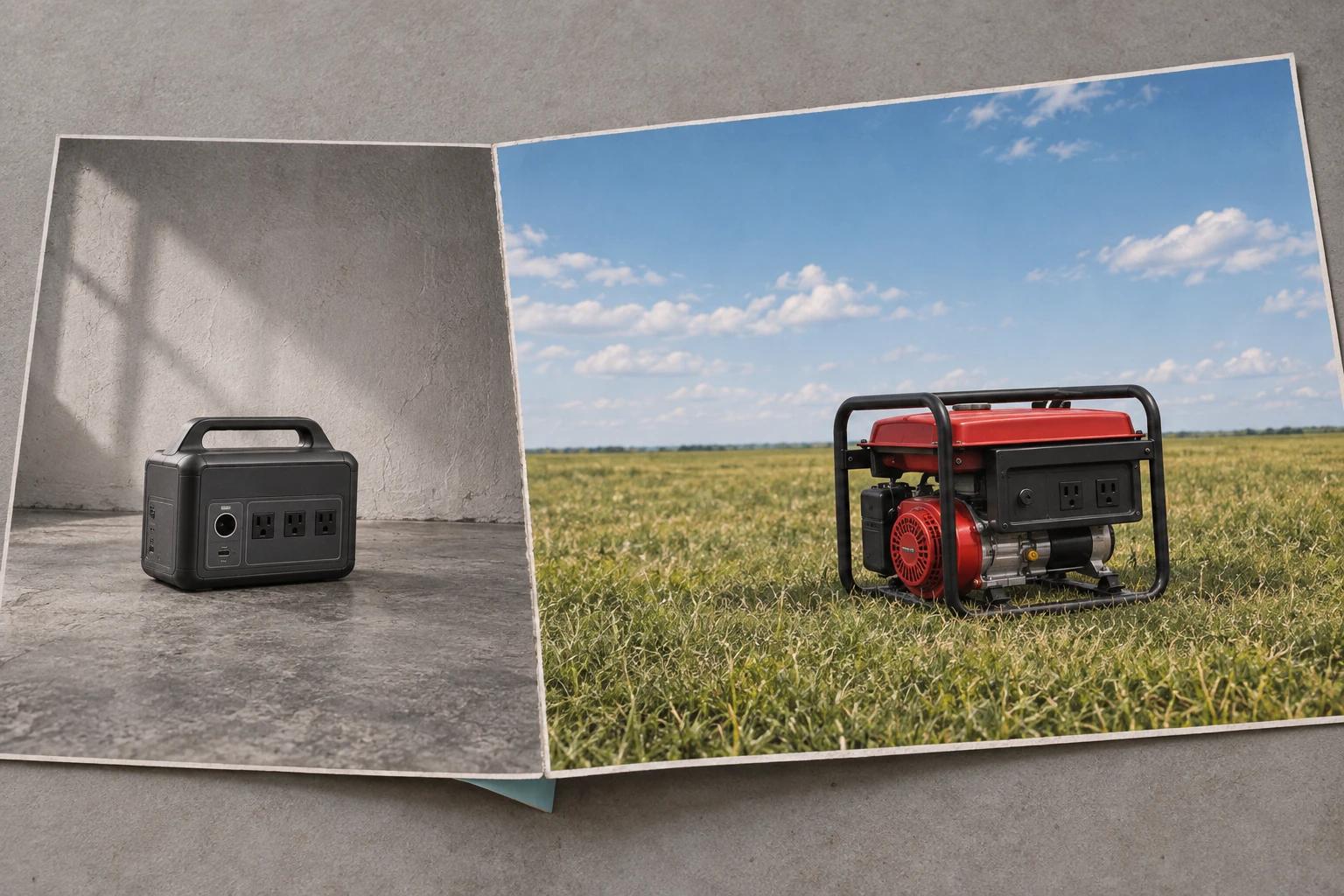
Compare portable batteries and fuel generators by load, runtime, safe operating location, recharge or fuel access, maintenance, and household needs.
Power outages · 7 minute readRead the guide
Most grid-connected solar shuts down during an outage. Check your inverter, storage, backed-up circuits, start procedure, and system limits.
Power outages · 5 minute readRead the guide
Use the approved charger, inspect for damage, follow temperature and storage limits, and keep a portable power station clear of escape routes.
Power outages · 6 minute readRead the guide
Make backup power last by prioritizing loads, checking actual draw, reducing idle use, and setting a recharge or fallback point before the reserve runs out.
Power outages · 5 minute readRead the guide
How an N95 helps with wildfire-smoke particles, why fit matters, what it cannot filter, and when cleaner air is the better response.
Smoke and air · 6 minute readRead the guide
How central, window, portable, and evaporative cooling handle smoky outdoor air, which settings to check, and when to find a cooled, filtered place.
Smoke and air · 7 minute readRead the guide
Choose a wildfire-smoke air cleaner by room size, smoke CADR, noise, replacement filters, and ozone emissions. Start with the room you need to protect.
Smoke and air · 7 minute readRead the guide
A source-backed guide to fan age, safety certification, MERV 13 filters, assembly, placement, and the limits of DIY smoke filtration.
Smoke and air · 8 minute readRead the guide
How to manage indoor heat and wildfire smoke together, use cooling and filtration, and prepare a reachable cooled, filtered fallback.
Smoke and air · 8 minute readRead the guide
How to judge indoor heat, understand the limits of fans, choose a cooler room, and decide when your household needs another cooled place.
Heat and cooling · 6 minute readRead the guide
Why rooms retain heat after sunset, how to spot the pattern, and which no-cost changes can help before you consider equipment or building work.
Heat and cooling · 6 minute readRead the guide
Start with room choice, shade, fewer indoor heat sources, and available cooling. Keep electrical, air-quality, and fan limits in view, with a backup cooled place.
Heat and cooling · 7 minute readRead the guide
Compare indoor and outdoor conditions before opening windows in a heat wave. Account for smoke, humidity, safety, and the need for another cooled location.
Heat and cooling · 5 minute readRead the guide
Protect your household first, document overheating and cooling failures, send a factual written notice, and find the local tenant help that fits your situation.
Heat and cooling · 8 minute readRead the guide
How long refrigerators and freezers stay cold without power, what to do before and during an outage, and how to decide what food to keep.
Power outages · 4 minute readRead the guide
How to use the AQI, primary pollutant, people involved, and the duration and intensity of an activity to decide what should change.
Smoke and air · 5 minute readRead the guide
Calculate a three-day household starting amount, add pet and additional needs, and store it so the water remains safe and usable.
Water and flooding · 5 minute readRead the guide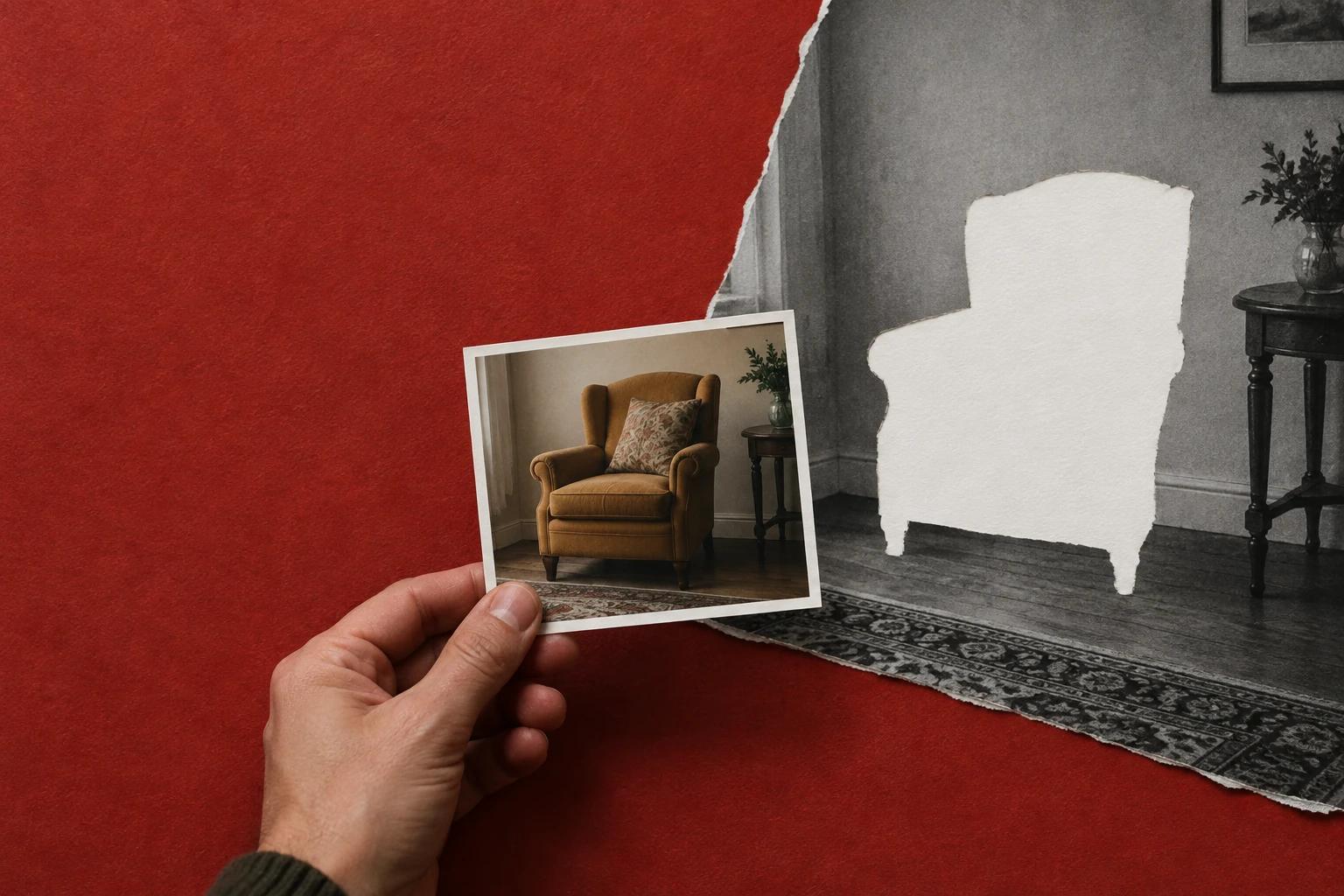
Create a useful record before damage, then document safely from wide context to close detail before cleanup or temporary repair.
Home, money and recovery · 6 minute readRead the guide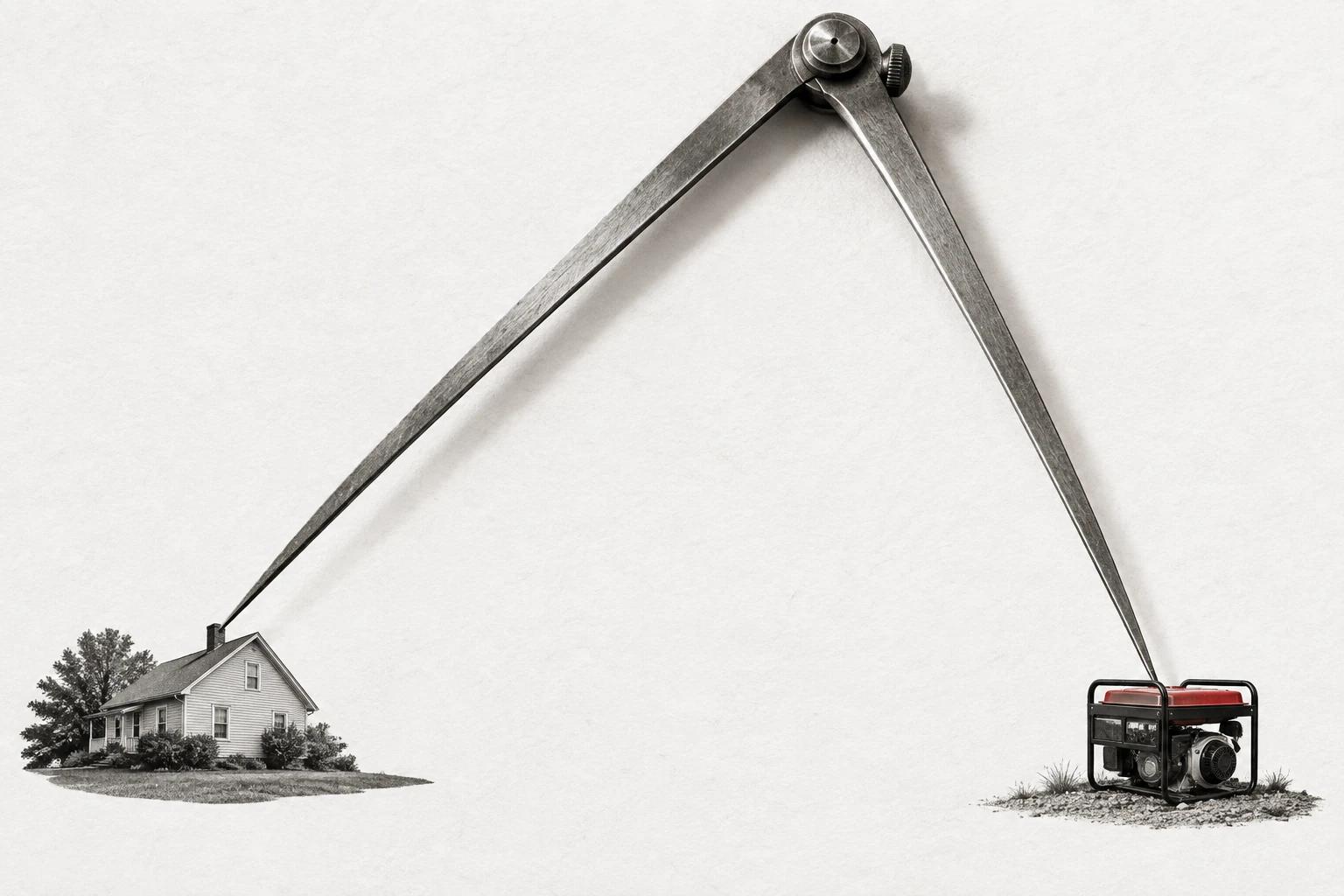
Where to run a portable generator, how to point its exhaust, and the carbon-monoxide and electrical boundaries that protect a household.
Power outages · 4 minute readRead the guide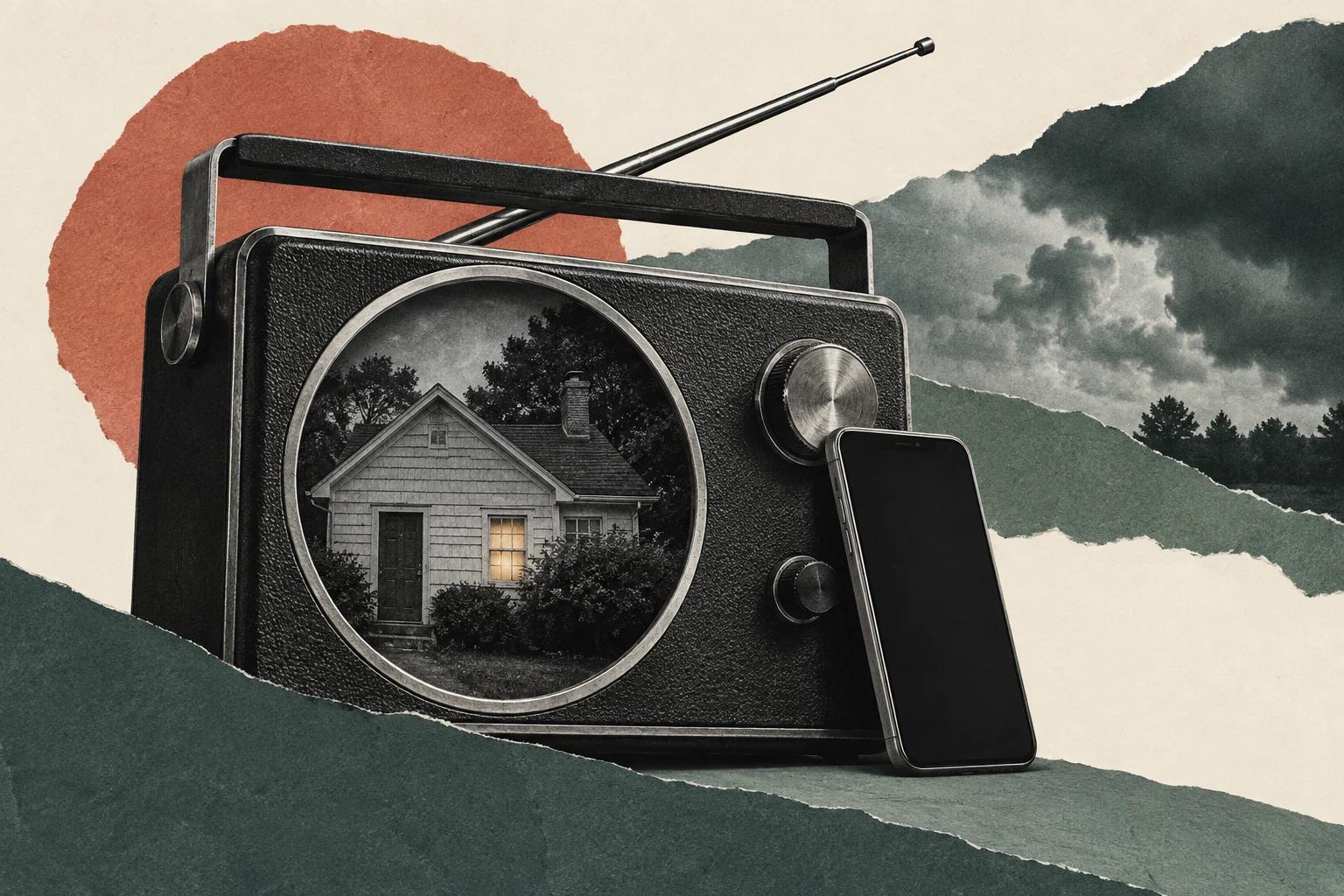
Combine phone alerts, an official local enrollment, and a radio source so one failed device, network, or power source does not leave the household unaware.
Emergency communications · 5 minute readRead the guide
Read the AQI number, category, time, reporting area, and primary pollutant together before deciding what the air means for you.
Smoke and air · 4 minute readRead the guide
First distinguish boil-water, do-not-drink, and do-not-use advisories, then use the right water for teeth, dishes, bathing, food, pets, and other daily needs.
Water and flooding · 6 minute readRead the guide
A practical sequence for reducing particle exposure indoors using the room and equipment you already have, plus clear limits for heat, power, and evacuation.
Smoke and air · 6 minute readRead the guide
Choose and inspect one room that can limit smoke entry, stay cool, fit everyone who needs it, and keep a clear exit before smoke arrives.
Smoke and air · 6 minute readRead the guide
How to check official flood maps, local records, current conditions, history, and property evidence without mistaking one source for the whole answer.
Water and flooding · 7 minute readRead the guide
A flood watch means prepare. A flood warning means act. Learn what to read in the exact notice and how flash, coastal, and river flooding change the response.
Water and flooding · 5 minute readRead the guide
Floodwater can hide a washed-out road and move a vehicle at depths that are hard to judge. Stop before the water or barricade and turn around.
Water and flooding · 4 minute readRead the guide
Frozen water helps a freezer stay cold longer and can become a cold source for a refrigerator or cooler when the power goes out.
Power outages · 2 minute readRead the guide
Charge early, choose the phone that stays available for alerts, and reduce power use without cutting off the household's only warning channel.
Power outages · 4 minute readRead the guide
Keep standing household documents separate from the claim numbers, contacts, photographs, receipts, correspondence, and deadlines created by one event.
Home, money and recovery · 7 minute readRead the guide
Contact the insurer for the policy that may apply, report the known facts, obtain a claim number, and keep the next instruction and deadline with its source.
Home, money and recovery · 7 minute readRead the guide
Record every displacement expense and receipt when it happens, while keeping the expense itself separate from a later coverage or reimbursement decision.
Home, money and recovery · 5 minute readRead the guideEvery guide starts with the cheapest effective response, explains what can change the answer, and states where the guidance stops.
Why Overshot exists