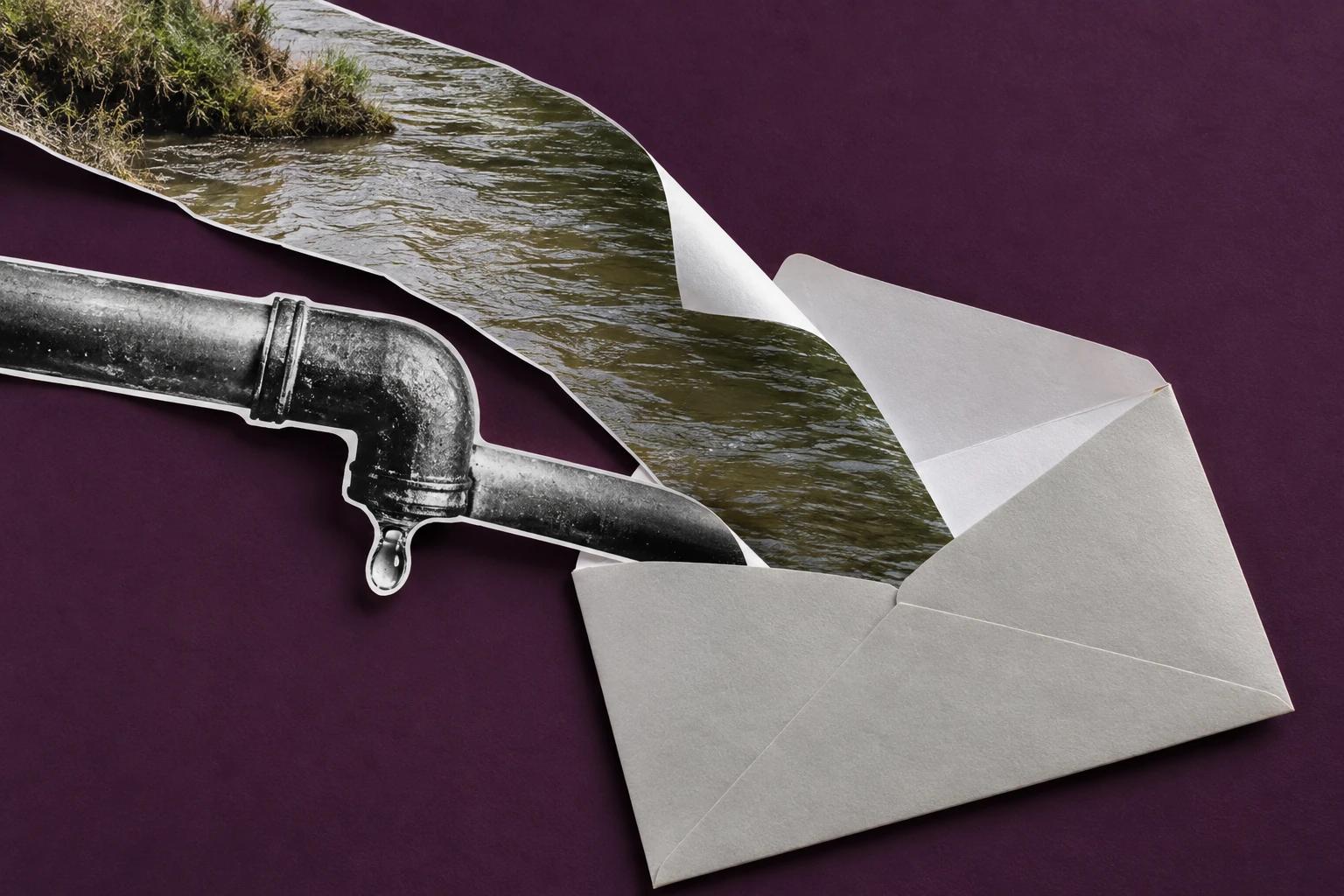
Which policy might cover the water damage?
Begin with the observed water pathway, then locate the policies and endorsements in force on the loss date.
Read the guideDocument what changed, open the right process, and keep the evidence, contacts, costs, and deadlines from scattering.
7 practical guides with linked sources.A useful record connects one event to the damage, policy, claim, contacts, receipts, submissions, decisions, and next action without pretending any of them guarantee payment.
Begin with the observed water pathway, then locate the policies and endorsements in force on the loss date.
Read the guide
Compare extra costs with ordinary spending, and keep the exact policy limits and approvals in view.
Read the guide
Capture the whole scene, affected areas, identifying details, and changes over time without entering an unsafe place.
Read the guide
Report the facts you know, then preserve the acknowledgment, claim number, next instruction, and stated deadline.
Read the guide
Keep standing household documents separate from the evidence, contacts, submissions, and decisions created by this event.
Read the guide
Record each cost and its payment history without treating the expense itself as a coverage decision.
Read the guide
Review the notice and compare replacement coverage in parallel, with the expiration date clearly recorded.
Read the guideThe event, affected property, policy, photographs, receipts, contacts, correspondence, submissions, decisions, and current instructions.
Which process may apply, what evidence it requests, what changed, and which next action or deadline belongs to this event.
Document safely, report known facts, preserve original evidence, and keep every instruction and deadline attached to its source.
Continue with source-backed guidance for power, smoke, water, flooding, communications, and the home.