The short answer
Before an expected outage, freeze several clean containers of drinking water in unused freezer space. Leave room for the water to expand. The frozen containers help the freezer hold its temperature and can later move to a refrigerator or cooler as a cold source. Melted water is drinkable only if it began as safe water and the sealed container remained clean and uncontaminated.
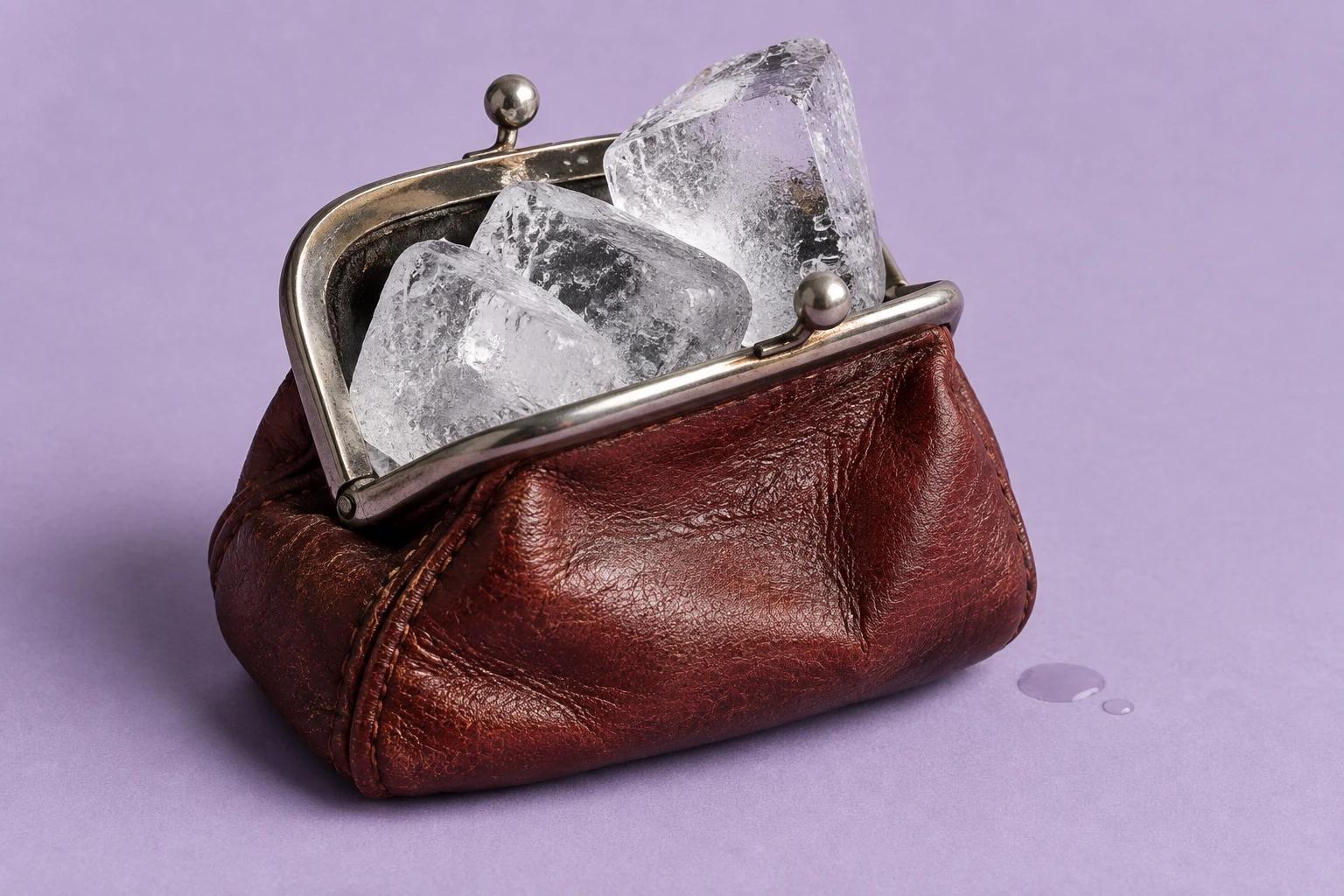
Start here
- Choose clean, food-safe plastic containers or sealable food-storage bags.
- Fill them with drinking water and leave room for expansion.
- Freeze them in unused space and group frozen food together.
- Keep them frozen until food in the refrigerator or a cooler needs another cold source.
Make a useful cold source
- Use clean, food-safe plastic containers or sealable food-storage bags that can be frozen.
- Fill each one with drinking water, leaving empty space so the water can expand.
- Seal the containers and place them in unused freezer space.
- Group frozen food around them so the contents of the freezer hold cold together.
When the power fails
Keep the freezer and refrigerator doors closed. Leave the containers in the freezer unless refrigerated food needs to move to a cooler or needs another cold source.
A frozen container can help keep food cold, but it does not replace time and temperature rules. Record when the outage began and use the separate food-safety guide to decide what can be kept.
Use the water carefully
Melted water may be used as drinking water only when it began as safe drinking water and the sealed container stayed clean. If floodwater, fuel, chemicals, or another contaminant reached the container, do not drink from it.
- Do not fill a rigid container to the top. Freezing water expands.
- Do not use a container that previously held fuel, chemicals, or another non-food substance.
- Do not treat the presence of ice as proof that every food package stayed at a safe temperature.
What changes this answer
General guidance becomes a personal decision through these details.
Use only the space your household can spare without blocking normal use.
Material, closure, size, and manufacturer directions determine whether it can be frozen safely.
Duration, starting temperature, door openings, and access to a cooler change how the cold source is used.
Floodwater or damage to the seal makes the melted water unsuitable for drinking.
Where this guidance stops
- This is a preparation step, not a substitute for appliance thermometers or food-safety time and temperature rules.
- Medicine, infant feeding, and other temperature-sensitive health needs require their own storage plans.
- Dry ice has separate handling and ventilation requirements and is outside this guide.
Sources
Consequential guidance is checked against the linked source material.
- Centers for Disease Control and Prevention. Keep Food Safe After a Disaster or Emergency. Frozen-water and cold-source guidance. Checked September 13, 2026.
- U.S. Food and Drug Administration. Food and Water Safety During Power Outages and Floods. Preparation and frozen-container guidance. Checked September 13, 2026.
- U.S. Food and Drug Administration. Refrigerator Thermometers: Cold Facts about Food Safety. Advance freezing and outage food-safety guidance. Checked September 13, 2026.
General information, not advice tailored to you or a guarantee of safety. You are responsible for decisions about your safety. Follow current directions from local authorities. Read the safety disclaimer.